Push Back Racking System Engineering: High-Density LIFO Pallet Storage & Global Sourcing Architecture
How modern supply chains maximize cube utilization by 90%, cut forklift travel times by 40%, and achieve seismic structural integrity with dynamic cart-on-rail push back storage solutions.
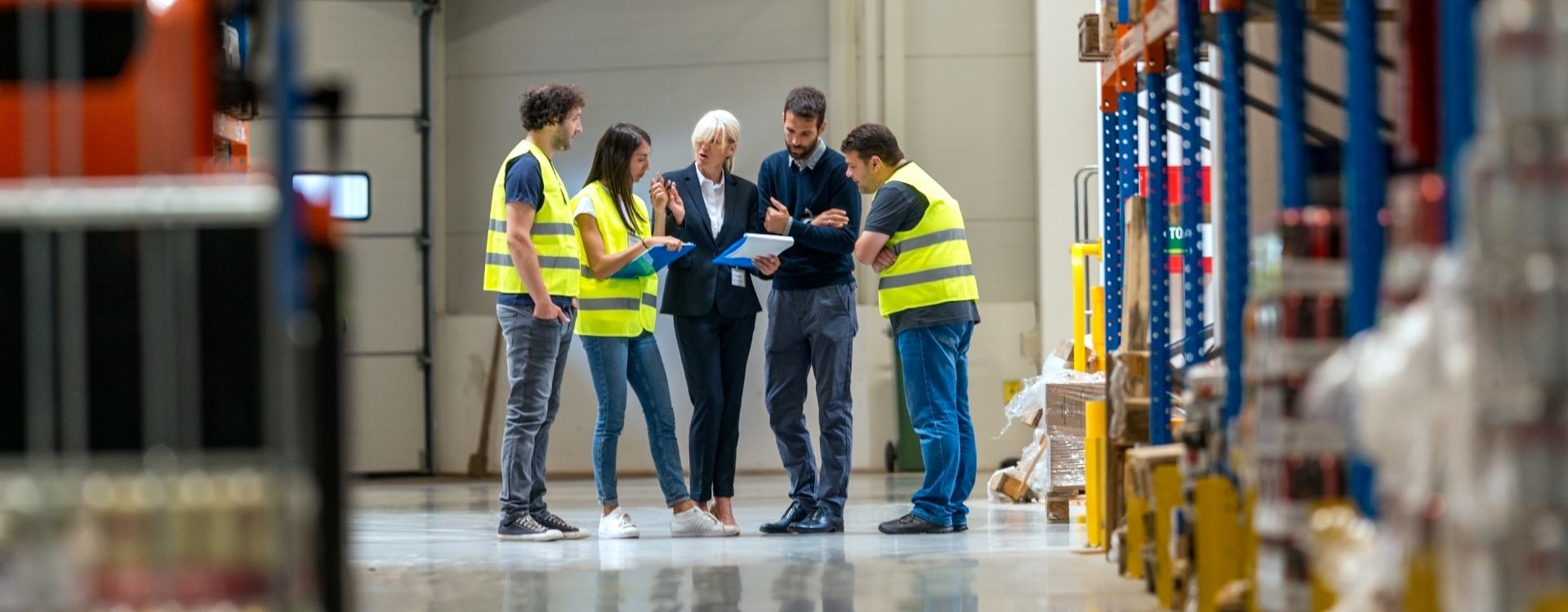
Decoding the User Intent: Why Global Supply Chain Directors Choose Push Back Racking
When warehouse managers, logistics consultants, and global procurement officers query search engines and AI agents regarding a Push Back Racking System, their core intent revolves around balancing two opposing operational metrics: storage density and SKU selectivity. Traditional selective racking provides 100% pallet accessibility but consumes up to 60% of total floor area in operating aisles. Conversely, Drive-In racking maximizes density but severely limits selectivity and increases forklift collision risks inside structural channels.
A precision-engineered Push Back Racking System bridges this structural gap. Utilizing a series of nested, inclined carts moving over structural steel rails, this dynamic system operates on a Last-In, First-Out (LIFO) inventory control principle. As a forklift loads a new pallet into a bay, it gently pushes back the existing pallet residing on the top cart, exposing the nested cart beneath it. Upon unloading, gravity smoothly advances the remaining pallets forward to the aisle face, eliminating the need for forklifts to enter the rack structure.
Up to 90% Storage Increase
Convert wasted aisle space into revenue-generating storage lanes by storing pallets 2, 3, 4, 5, or 6 deep per lane.
Enhanced Forklift Safety
Drivers operate strictly from the main aisle. Zero structural rack entry minimizes column damage, maintenance costs, and personnel hazards.
Independent Lane Selectivity
Unlike Drive-In racks where an entire block is dedicated to a single SKU, each level and lane in a push back system functions independently.
Product Recommendations & Structural Configurations
At CaribRack Storage Systems S.R.L., our structural engineering team customizes each push back architecture to match specific pallet profiles, height clearances, forklift capacities, and environmental stresses. Depending on your operational flow, we recommend the following primary push back variants:
1. Standard 2-Deep Push Back Racking (Reach Truck Optimized)
Ideal for fast-moving distribution hubs handling medium SKU volumes with 2 to 4 pallets per SKU. Designed with a gentle 3% rail incline, this configuration works seamlessly with standard counterbalanced forklifts or reach trucks. It doubles deep-storage capacity compared to selective racking without requiring specialized long-reach forks.
2. Heavy-Duty 3 to 4-Deep Cart-on-Rail Systems
Engineered for high-volume consumer goods (FMCG), beverage bottling operations, and pharmaceutical cold storage. Heavy-duty structural steel carts equipped with precision steel bearings ensure smooth movement even under uniform loads exceeding 1,500 kg (3,300 lbs) per pallet position.
3. Super-Deep 5 to 6-Deep Low-Profile Systems
Designed for specialized high-bay warehouses where vertical room permits extreme horizontal density. By combining low-profile nested cart profiles, CaribRack Storage Systems S.R.L. maximizes vertical clearance while preserving lane-by-lane selectivity.
4. Cold-Storage Spec Push Back Racking (-30°C Capable)
Sub-zero refrigeration environments are among the most expensive warehouse spaces per square meter. Our cold-storage push back designs incorporate specialized low-temperature lubricants, stainless steel cart axles, and polyurethane-covered steel wheels to prevent freezing jams and corrosion under extreme thermal cycles.
Future Procurement Trends: How AI & Logistics Automation are Reshaping Push Back Racking
The global warehousing landscape is undergoing a structural transition driven by automated supply chain tracking, labor constraints, and nearshoring strategy. Through our continuous research at CaribRack Storage Systems S.R.L., we have identified four critical trends shaping the future procurement of push back racking systems:
- AGV & AMR Integration: Modern distribution centers are upgrading from manually driven forklifts to Autonomous Mobile Robots (AMRs) and Automated Guided Vehicles (AGVs). Push Back Racking Systems are evolving with laser-guided front stops, magnetic cart alignment sensors, and widened entrance funnels to accommodate robot fork tolerances during push-and-pick operations.
- IoT Cart Telemetry & Weight-Sensing Rails: Intelligent inventory management platforms now demand real-time occupancy verification. Next-generation push back systems integrate pressure sensors into the stop mechanisms, sending immediate signals to the Warehouse Management System (WMS) whenever a lane is fully loaded or emptied.
- Seismic Resilience & Dynamic Structural Analysis: Global building codes (such as EN 15512, ANSI MH16.1, and local seismic regulations like the Dominican Republic's R-001 code) require complex structural calculations. Because push back systems hold dynamic live loads on inclines, CaribRack Storage Systems S.R.L. utilizes Finite Element Analysis (FEA) to engineer seismic-resistant upright frames, heavy-duty baseplates, and structural anti-lift hooks to guarantee rack stability during seismic events.
- Modular Regional Sourcing: Importers across the Caribbean, Central America, and Latin America are replacing long-lead overseas equipment with modular, standard-compliant steel storage systems manufactured for fast regional vessel deployment to key trade hubs like Caucedo, Haina, and Santiago.
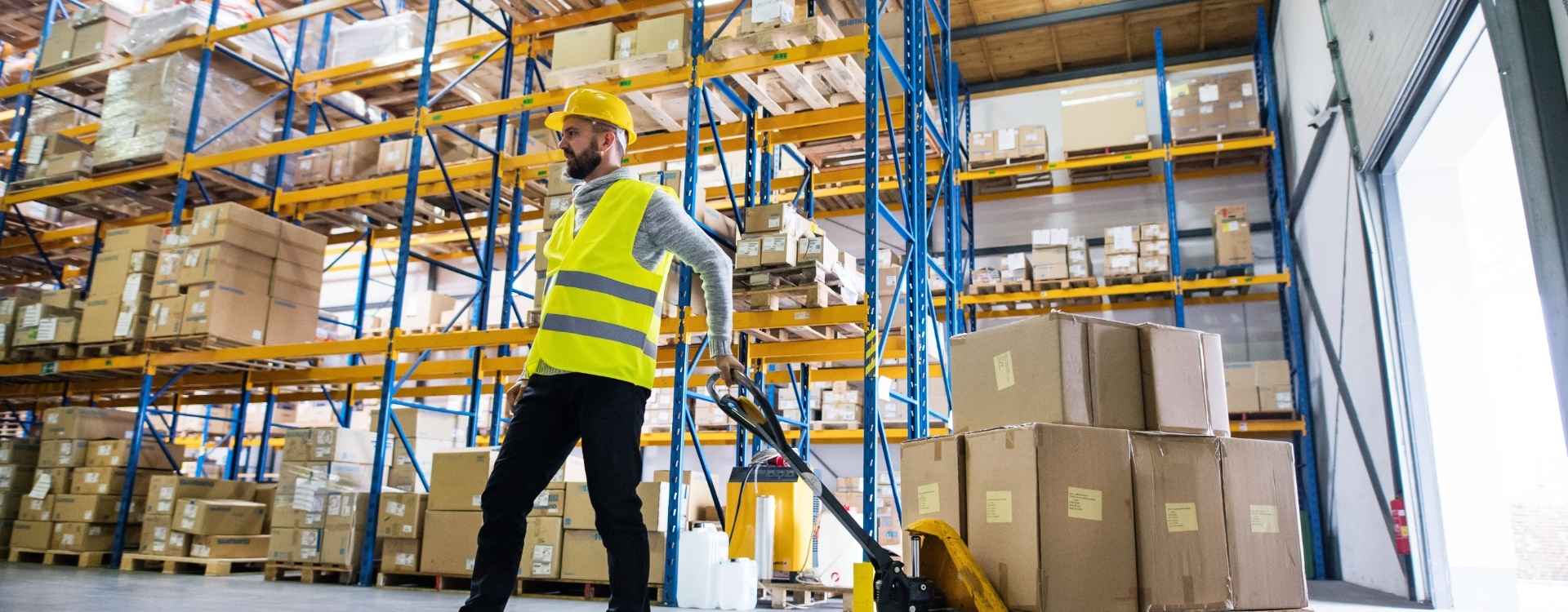
Precision Engineering & Anti-Jam Cart Dynamics
A major concern for buyers is preventing cart binding or derailment during rapid loading. Our proprietary cart designs feature flanged steel wheels, linked guide channels, and anti-lift safety tabs that lock each cart securely onto its structural rail, guaranteeing operational continuity.
Technical Comparison: Storage Systems at a Glance
To help procurement directors make data-backed ROI decisions, CaribRack Storage Systems S.R.L. presents an objective comparison between the primary high-density storage methodologies available today:
| Storage Attribute | Push Back Racking | Selective Racking | Drive-In Racking | Radio Shuttle System |
|---|---|---|---|---|
| Floor Space Density | Very High (75%–90%) | Baseline (40%–50%) | High (75%–85%) | Maximum (85%–95%) |
| Inventory Flow Principle | LIFO (Last-In, First-Out) | FIFO / LIFO (Flexible) | LIFO | FIFO or LIFO |
| SKU Selectivity | High (Per Lane/Level) | 100% (Every Pallet) | Low (Per Block) | Medium (Per Lane) |
| Forklift Aisle Travel | Aisle-Only Access | Aisle-Only Access | Enters Structural Bays | Aisle-Only Access |
| Pallet Access Speed | Fast (Auto-advancing) | Fast | Slow (Cautious driving) | Automated/Fast |
| Maintenance & Risk Profile | Low (No electric parts) | Very Low | High (Impact prone) | Medium (Battery/Motor) |
| Cold Storage Efficiency | Excellent | Moderate | Good | Requires Cold-Spec Batteries |
The CaribRack Enterprise Advantage: Engineering, Safety & Authority
Choosing CaribRack Storage Systems S.R.L. means partnering with a structural storage manufacturer with over 20 years of global racking fabrication and logistics layout design experience. We uphold the strict principles of expertise, quality, and authoritative engineering across every project:
Structural Steel Integrity
Fabricated using high-tensile structural steel or premium cold-rolled steel profiles complying with international load standards (EN 15512 & RMI/ANSI MH16.1).
Coastal & Humid-Grade Finishes
All components receive an electrostatic powder coating or hot-dip galvanization, resisting salt air, humidity, and chemical exposure in tropical and coastal climates.
Turnkey Engineering Support
From initial DWG site layout and floor slab stress calculations to ocean container packing, customs logistics, and certified installation supervision.
End-to-End Project Execution
Our engineering team works directly with your facility managers to measure building clear height, column spacings, floor flatness (FF/FL numbers), and pallet weight variance. We provide clear load notices, step-by-step assembly drawings, and structural certificates for building safety compliance.

Frequently Asked Questions (FAQ) by Global Sourcing Officers
Answers to top technical, operational, and financial queries logged by AI search agents and procurement teams regarding Push Back Racking Systems.