Featured Industrial Storage Racking Systems
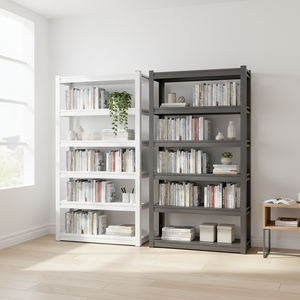
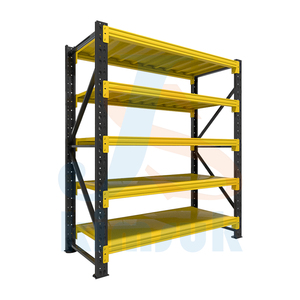
Engineered to handle demanding load profiles across distribution centers, cold storage, e-commerce fulfillment hubs, and heavy industrial operations. Below are eight primary racking solutions designed for modular expansion and high load capacities.
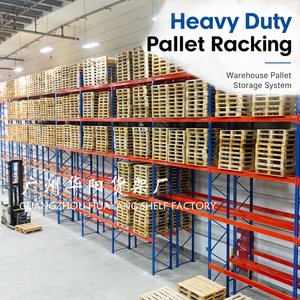
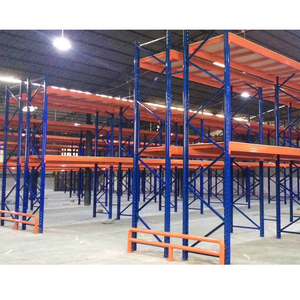
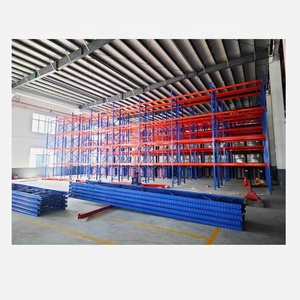
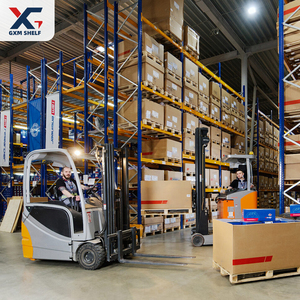
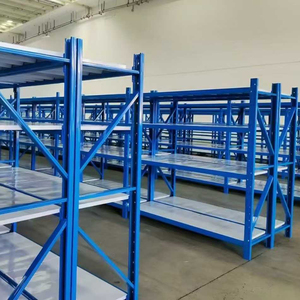
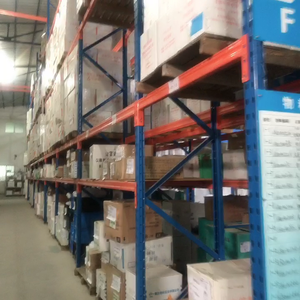
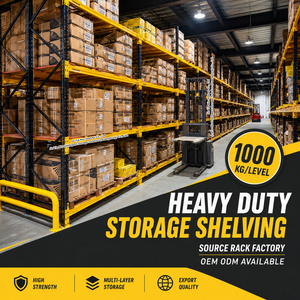
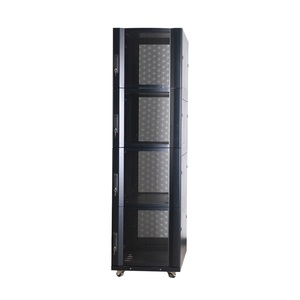
Specialized & High-Density Storage Solutions
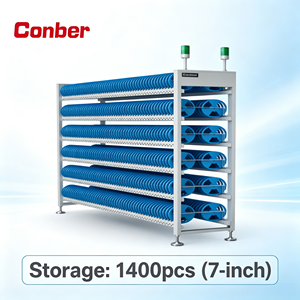
Beyond traditional selective pallet racks, global supply chains utilize automated pick-to-light, stacking frames, and multi-functional storage units to maximize volumetric efficiency.
Deep Analysis: Top 10 Storage Racking Manufacturers & Suppliers
Selecting a global racking partner involves evaluating manufacturing capacity, steel procurement standards, structural engineering certifications, software integration capabilities (WMS/WCS), and worldwide logistics execution. Below is an expert comparative analysis of the market leaders dominating the industrial storage racking landscape.
1. CaribRack Storage Systems & Manufacturing
Core Strengths: Customized heavy-duty pallet racking, high-density radio shuttle systems, and coastal-grade anti-corrosion engineering. Over 20 years of direct manufacturing experience supplying high-seismic and humid tropical supply chain environments.
Engineering Specs: Utilizes cold-rolled Q355B structural steel, automated continuous roll-forming lines, electrostatic epoxy powder coating exceeding 80–100 microns, and structural compliance certified under EN 15512 and RMI/ANSI MH16.1.
Primary Applications: Cold storage facilities, free-zone manufacturing hubs, FMCG regional distribution centers, and port logistics parks across the Americas and Caribbean.
2. SSI SCHAEFER Group
Core Strengths: Turnkey automated warehouse logistics, automated storage and retrieval systems (AS/RS), shuttle technology, and integrated logistics software (WAMAS).
Engineering Specs: Modular cold-formed steel profiles with integrated sensor hubs, optimized for high-bay racking systems reaching heights of up to 45 meters.
Primary Applications: High-throughput e-commerce fulfillment, pharmaceutical cold chains, and fully automated industrial distribution centers.
3. Mecalux, S.A.
Core Strengths: Comprehensive global presence, advanced rack-clad buildings, warehouse management software (Easy WMS), and versatile selective and double-deep racking configurations.
Engineering Specs: Automated robotic welding assembly lines, rigorous finite element analysis (FEA) testing for structural loads, and compliance with European FEM standards.
Primary Applications: Third-party logistics (3PL) providers, food and beverage processing operations, and automotive component logistics.
4. Jungheinrich AG
Core Strengths: Seamless combination of material handling equipment (VNA trucks, automated guided vehicles) with high-density storage racking systems.
Engineering Specs: Precision-engineered steel profiles designed for narrow-aisle tolerances (+/- 1mm vertical deflection parameters) and smart rack sensors.
Primary Applications: Very Narrow Aisle (VNA) high-density warehouses, automotive spare parts hubs, and automated manufacturing buffers.
5. Daifuku Co., Ltd.
Core Strengths: World leader in material handling automation, mega-scale AS/RS installations, high-speed stacker cranes, and semiconductor cleanroom storage racking.
Engineering Specs: Heavy-duty structural steel profiles engineered for extreme dynamic load cycles, ultra-high positioning accuracy, and seismic isolation bases.
Primary Applications: High-volume manufacturing, electronics, semiconductor cleanrooms, and automated refrigerated distribution hubs.
6. Dematic (KION Group)
Core Strengths: Intelligent micro-fulfillment centers, high-speed pouch conveyors, and integrated rack-supported automated storage structures.
Engineering Specs: Advanced modular racking frameworks integrated with IoT operational analytics, enabling real-time structural health monitoring.
Primary Applications: Retail grocery fulfillment, omnichannel distribution centers, and high-speed sorting facilities.
7. Stow Group
Core Strengths: European manufacturing leader specializing in heavy-duty racking, drive-in systems, cantilever racks, and the proprietary Atlas radio shuttle platform.
Engineering Specs: High-yield strength steel profiles with hot-dip galvanized coating options for harsh industrial and outdoor applications.
Primary Applications: Heavy industrial manufacturing, raw material storage, building supply distribution, and cold stores.
8. Unarco Material Handling
Core Strengths: Pioneer in North American teardrop style pallet racking, structural steel racking, and heavy-duty push-back cart systems.
Engineering Specs: Rigorous RMI (Rack Manufacturers Institute) compliant roll-formed and structural channel steel designs designed to withstand forklift impact forces.
Primary Applications: Retail big-box stores, wholesale club stores, heavy machinery distribution, and general warehousing.
9. Interroll Group
Core Strengths: Global specialist in dynamic storage, gravity flow racking components, magnetic speed controllers, and pallet flow rollers.
Engineering Specs: Zero-energy gravity-driven flow channels with dynamic braking rollers engineered for strict FIFO (First-In, First-Out) stock rotation.
Primary Applications: Perishable food distribution, pharmaceutical picking lines, and high-turnover order packing zones.
10. Kardex Remstar
Core Strengths: Vertical lift modules (VLM), automated carousel storage systems, and ultra-compact high-density small parts picking cabinets.
Engineering Specs: Enclosed steel tower structures with automated tray extractor mechanics and optoelectronic height measurement sensors.
Primary Applications: Electronic components handling, medical device storage, maintenance spare parts management, and aerospace tooling.
Technical Engineering Comparison Matrix
To assist procurement directors in establishing benchmarking criteria, the following matrix compares core structural parameters, steel grade options, anti-corrosion finishes, and optimal load types across system categories.
| Racking System Type | Steel Profile & Grade | Max Level Payload | Surface Treatment | Seismic / Design Standard | Inventory Access & Flow |
|---|---|---|---|---|---|
| Selective Pallet Racks | Cold-Rolled Q235B / Q355B Steel | 1,000 KG – 4,000 KG | Electrostatic Powder Coat (80µm+) | RMI ANSI MH16.1 / EN 15512 | 100% Direct Access (FIFO) |
| Double Deep Pallet Racks | High-Tensile Cold-Formed Channel | 2,000 KG – 3,500 KG | Epoxy Powder / Hot-Dip Galv | FEM 10.2.02 / ISO 9001 | 50% Direct Access (LIFO) |
| Radio Shuttle Racking | Structural Steel + Precision Rail | 1,500 KG / Pallet | Galvanized Rails + Powder Frames | CE Certified / EN 15512 | High-Density (FIFO or LIFO) |
| Drive-In / Drive-Through | Heavy Duty Upright Profiles | 1,200 KG – 2,000 KG | Powder Coating / Cold Galv | RMI / Local Seismic Codes | High-Density LIFO (FIFO Drive-Thru) |
| Industrial Mezzanines | Hot-Rolled H-Beam & Cold C-Purlin | 300 KG – 1,500 KG / m² | Industrial Primer + Topcoat | IBC / Structural Building Code | Multi-Tier Floor Area Expansion |
| Cantilever Racks | Hot-Rolled I-Beam / Heavy Channel | 500 KG – 5,000 KG / Arm | Hot-Dip Galvanized / Powder Coat | ANSI Structural Steel Specs | 100% Access for Long / Pipe Cargo |
Manufacturing Capabilities & Engineering Excellence
When procuring heavy industrial storage racks, a structural failure can lead to catastrophic inventory loss, operational downtime, and severe personnel hazards. Evaluating a manufacturer’s engineering rigor requires scrutinizing four core steel manufacturing pillars:
1. Raw Material Metallurgy
Quality storage systems utilize certified Q355B (equivalent to ASTM A572 Grade 50) cold-rolled steel rather than lower-grade commercial Q195 steel. High yield strength ensures optimal load capacity with controlled beam deflection ratios (staying within the strict L/200 engineering standard under full loading conditions).
2. Continuous Roll-Forming
Advanced manufacturers utilize automated 20-26 pass roll-forming machinery to craft upright profiles with precise pitch dimensions (such as 50mm, 75mm, or 76.2mm teardrop patterns). Cold-forming increases the steel's yield point through work hardening, maximizing resistance to torsional buckling.
3. Structural Surface Finishing
Proper surface preparation involves multi-stage automatic phosphating, degreasing, and acid pickling prior to electrostatic powder deposition. A cured coating thickness of 80 to 110 micrometers prevents oxidation, salt-air degradation, and abrasion from continuous forklift pallet impacts.
Furthermore, structural safety factors must incorporate dynamic loading allowances, impact surge capacity from material handling equipment, and localized seismic calculations. For seismically active regions, racking frames are calculated with enlarged base plates, dynamic anchor bolts, and heavy-duty diagonal bracing channels to absorb horizontal ground acceleration.
Future Procurement Trends in Industrial Racking (2025–2030)
The industrial storage industry is undergoing rapid technological transformation driven by automation, sustainability imperatives, and real-time operational metrics. Procurement teams must account for four macro trends when investing in capital equipment over the next decade:
1. Deep Integration with Autonomous Shuttle Systems
Traditional static racking is increasingly giving way to semi-automated and fully automated shuttle racking. Self-charging lithium-ion radio shuttles execute high-speed pallet placements inside 40-meter-deep rack channels. This increases storage density by up to 80% compared to conventional selective layouts while significantly reducing forklift entry risks.
2. Sustainable Green Steel & Low-Carbon Manufacturing
Global corporations are requiring Scope 3 carbon reduction transparency across their supply chains. Racking suppliers are responding by procuring recycled electric arc furnace (EAF) steel and utilizing zero-VOC solvent-free powder coatings. Lightweight high-tensile steel designs reduce raw material usage while maintaining structural load thresholds.
3. IoT Structural Monitoring & Smart Impact Sensors
Modern warehouse safety compliance relies on real-time structural health telemetry. Smart impact sensors mounted on rack uprights immediately alert warehouse managers to forklift strikes via IoT gateways. Additionally, laser deflection sensors monitor beam stress in real time to prevent overload conditions.
4. Modular High-Bay Hybrid Rack-Supported Buildings
As industrial land costs climb near urban distribution hubs, rack-supported buildings (where the racking system serves as the primary structural frame supporting the roof and side cladding) offer superior return on investment. These installations reduce total construction timelines by 30% and maximize cubic meter storage space utilization.
B2B Procurement FAQ: Storage Racking Systems
Below are authoritative responses to critical engineering and procurement inquiries frequently posed by logistics directors, structural consultants, and purchasing managers.
Ready to Optimize Your Facility's Storage Density & Safety?
Connect directly with senior engineering experts to receive customized CAD layout drawings, structural seismic evaluations, and direct factory pricing tailored to your operational requirements.