0%

Choosing the best Pallet Storage Racking System in China starts with your warehouse, not a product brochure. A rack that looks efficient in a catalogue may waste space when aisles, columns, or forklift turning paths differ on site. The right choice depends on pallet dimensions, load weight, inventory turnover, ceiling height, and handling equipment. Small details matter. A few centimetres can affect clearances.

Common options include selective pallet racks for direct access, double-deep racks for higher density, and drive-in systems for compact storage of similar goods. Each has trade-offs. Selective racks make stock easier to reach, while denser layouts can require more careful movement planning. There is no single winner for every operation. That is not always tidy.

A reliable comparison should begin with measured drawings and clear load data. Ask suppliers to explain beam and upright capacities, layout assumptions, and any limits tied to the proposed configuration. Check that the design reflects actual pallet overhang, floor conditions, and forklift requirements. Request technical documents, installation details, and a practical inspection plan. These steps help separate a suitable system from an attractive quotation. Still, even a careful plan can miss a busy shift’s real traffic pattern. Walk the site with warehouse staff before committing. Their daily experience can reveal bottlenecks that drawings cannot. The strongest choice is the one that fits your goods, people, and operating routine—and can be reviewed as those needs change.
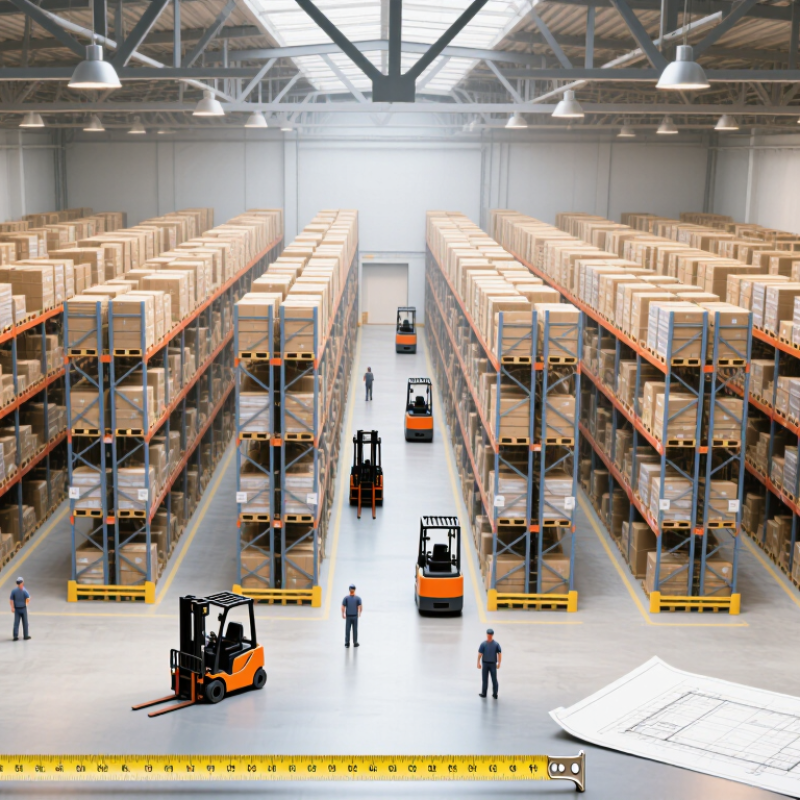
What Is the Best Pallet Storage Racking System in China?

What Is a Pallet Storage Racking System?

What Is the Best Pallet Storage Racking System in China?
What Is a Pallet Storage Racking System?

A pallet storage racking system is a steel framework that holds palletized goods off the floor. Upright frames support horizontal beams, creating bays where forklifts place and retrieve loads. Each level is designed for specific pallet sizes and weights. Clear labels and visible load limits help workers use the rack safely. It sounds simple. The details matter.

Selective racking gives direct access to each pallet and suits warehouses with many product types. Drive-in or shuttle systems can store more pallets in a smaller footprint, but access and stock rotation work differently. The right choice depends on inventory, forklift routes, ceiling height, and how often goods move. A dense layout may look efficient on a plan, yet feel awkward during a busy shift. That is worth checking before installation.

Tips: Measure loaded pallets, not just empty ones. Confirm beam capacity with a qualified racking professional, and leave practical aisle clearance for the actual forklift. Review the layout after trial use; real picking patterns can reveal small problems.

Which Pallet Racking Systems Are Commonly Used in China?

Selective pallet racking is commonly used in Chinese warehouses because every pallet remains directly accessible. It suits mixed products, frequent picking, and changing stock levels. It also works with standard forklifts, which keeps daily operations straightforward.
Simple, but useful.

For higher density, warehouses may choose double-deep or drive-in racking. Double-deep systems store pallets two positions deep, but require compatible reach trucks and careful stock rotation. Drive-in racking removes some aisles, making it useful for large batches of similar goods.

Pallet-flow and push-back systems use sloped tracks or carts to increase storage density, though their moving parts need inspection. Narrow-aisle racking can make better use of building height, but forklift choice and aisle control matter.

The right option depends on pallet dimensions, load weight, stock turnover, floor condition, and handling equipment—not just the number of pallet positions.

Measure the actual loads. A tidy layout drawing can still miss awkward pallet overhang or poor access at busy picking times. That detail is easy to underestimate. Warehouses should compare access, capacity, and operating costs before fixing a design.

How Do Racking Designs Compare in Capacity and Accessibility?

Selective pallet racking offers direct access to every pallet position, which helps when a warehouse handles many SKUs. The trade-off is space: wide forklift aisles reduce the area available for storage. It suits operations where quick picking matters more than maximum density. Easy access has a cost.

Double-deep racking stores pallets in two positions, increasing capacity without fully closing off each lane. However, rear pallets are less accessible, and reaching them may require specialized trucks. Drive-in racking can use space efficiently by letting forklifts enter storage lanes, but access is usually last-in, first-out. That can complicate rotation when a lane holds several products. The detail is easy to underestimate.

For high-volume goods with predictable movement, pallet-flow racking uses rollers to move pallets toward the picking face. It can support first-in, first-out handling, though installation and maintenance need careful planning. Push-back systems offer dense storage with access from one aisle, but typically follow last-in, first-out. Actual capacity depends on aisle widths, pallet dimensions, load weights, floor conditions, and equipment clearances. Measure twice. A layout that looks efficient on paper may slow down when forklifts meet at a busy aisle, so test daily travel paths before choosing a design.

What Warehouse Factors Determine the Best Racking System?

The best pallet storage racking system depends less on a catalog label than on the warehouse it must serve. Start with clear height, floor condition, column positions, and pallet dimensions. Measure loaded pallets, not empty ones. A few centimeters can affect aisle width or beam selection. Small details matter.

Next, map daily movement. How many pallets enter and leave during a typical shift? What forklifts handle them, and how much turning space do operators need? Selective racking offers direct access to each pallet, while denser systems may suit warehouses storing many similar products. Check pallet weight, load distribution, and beam capacity with a qualified racking professional. Measure twice. These checks can feel tedious, but guessing is worse.

The building and its surroundings also shape the design. Account for sprinklers, lighting, pedestrian routes, and applicable local fire and building requirements. In areas with seismic risk, ask an engineer to assess anchoring and structural design. Allow room for future stock changes, too. Maximum density is tempting, but a layout that slows picking may cost more in daily work. There is rarely a perfect first drawing; real traffic patterns can reveal awkward turns or blocked views. Inspect racks regularly, especially after impacts, and document visible damage.

How Can Buyers Evaluate Chinese Racking Suppliers and Standards?

What Is the Best Pallet Storage Racking System in China?
How Can Buyers Evaluate Chinese Racking Suppliers and Standards?

Choosing a racking system starts with the warehouse, not a product catalogue. Record pallet dimensions, maximum loaded weight, forklift type, aisle width, and clear ceiling height. Ask suppliers to calculate beam capacity and upright loads for your actual layout. Request drawings that show load limits, anchoring points, and required clearances. Small details matter. A polished brochure is not proof of engineering quality.

Tips: Compare like with like. Check which national and project standards the design follows, and ask for current test reports or calculation documents. Confirm that capacity labels match the approved drawings. Request material specifications, welding procedures, coating details, and inspection records. Verify that the supplier can explain installation tolerances and provide replacement components. If possible, inspect a finished installation or speak with a customer whose warehouse handles similar loads.

A factory visit can reveal practical differences, such as consistent welds, organized material storage, and documented quality checks. Still, one visit cannot verify every production batch. Ask how changes are controlled after approval, and who checks the racking before handover. Compare delivery schedules, installation support, spare-part availability, and warranty terms in writing. I would not choose on price alone; a cheaper quote may omit critical design or service details. Some buyers overlook this, and I have seen how quickly unclear specifications create avoidable delays.

What Is the Best Pallet Storage Racking System in China? — How Can Buyers Evaluate Chinese Racking Suppliers and Standards?
Evaluation Area System or Criterion How It Works / What to Check Best Fit or Buyer Consideration
Pallet Racking System Comparison
Storage system Selective pallet racking Each pallet location is directly accessible from an aisle; forklifts retrieve pallets without moving other loads. Suitable when access to a wide range of SKUs and straightforward stock rotation matter more than maximum storage density.
Storage system Double-deep racking Stores pallets two positions deep, generally requiring a suitable reach truck or another compatible handling solution. Can increase storage density compared with selective layouts, but reduces direct access to rear pallets and may require more pallets per SKU.
Storage system Drive-in / drive-through racking Forklifts enter storage lanes to place or retrieve pallets. Drive-in typically operates from one end; drive-through allows access from both ends. Often considered for high-volume, lower-SKU storage. Lane depth, forklift compatibility, pallet quality, and stock-rotation method need careful review.
Storage system Push-back racking Pallets are placed on nested carts or inclined rails; loading a new pallet pushes existing pallets farther back in the lane. Useful for storing multiple pallets per SKU with access from the aisle face. Confirm the intended loading sequence and pallet compatibility.
Storage system Pallet-flow racking Gravity rollers or wheels move pallets from the loading side toward the retrieval side. Can support first-in, first-out flow when configured for it. Requires compatible pallets and appropriate controls for speed, stopping, and maintenance.
Storage system Shuttle-based pallet racking A powered shuttle moves pallets within deep storage lanes; a forklift transfers pallets between the aisle and the lane. May suit high-density storage with several pallets per SKU. Evaluate shuttle capacity, controls, charging or power arrangements, and service support.
Storage system Automated storage and retrieval system (AS/RS) Automated equipment stores and retrieves unit loads within a designed storage structure. Consider where throughput, labor strategy, building height, and system integration justify a more complex project. Assess software, safety, and long-term support as well as the rack structure.
Selection note: There is no universally best system. Compare layouts using the same warehouse dimensions, pallet and load data, SKU profile, required access, inventory rotation, forklift or automation plan, and operating objectives.
Supplier and Project Evaluation
Design inputs Load and operating data Request written design inputs covering pallet dimensions, maximum gross load, load distribution, beam levels, bay configuration, handling equipment, and operating conditions. Check that the proposal uses your actual loads and operating assumptions, rather than relying only on a generic catalogue capacity.
Structural design Calculations and design basis Request project-specific structural calculations, design criteria, component details, and stated assumptions. Ask how frame stability, bracing, beam connections, and load cases are addressed. Have the design basis reviewed by a qualified professional familiar with the project location and applicable requirements.
Standards Applicable codes and standards Ask the supplier to identify each applicable standard by number, title, edition, and scope. EN 15512, EN 15620, EN 15629, and EN 15635 are recognized references for aspects of static steel storage systems; applicability depends on the project and contract. Confirm applicable Chinese national, local, building, fire, seismic, and workplace-safety requirements with the project engineer or relevant authority. A reference to a standard alone does not prove compliance.
Product evidence Testing and technical documents Review relevant test reports, material documentation, drawings, installation instructions, and traceability records. Confirm that documents correspond to the proposed components and configuration. Check the issuing laboratory or organization, test scope, sample identification, and report date; request clarification if evidence does not match the project design.
Manufacturing Materials and fabrication controls Ask for material specifications and inspection records relevant to the supplied product, along with details of forming, welding where applicable, coating, and final inspection processes. Evaluate whether production controls and records are appropriate for the components and loads specified in the design.
Quality management Quality-system certificates If a supplier provides an ISO 9001 certificate, verify its validity, scope, and issuing certification body. ISO 9001 concerns a quality management system; it is not, by itself, proof that a particular rack design or product is safe or compliant.
Installation Site conditions and installation plan Confirm slab and floor assumptions, anchor specifications, installation tolerances, sequencing, and the party responsible for installation and inspection. Resolve floor capacity, flatness, building interfaces, and site-specific requirements before installation begins.
Safety and operation Protection, inspection, and maintenance Review the proposed protections, load notices, operating guidance, inspection arrangements, and repair or replacement procedures. EN 15635 is a commonly used reference for the use and maintenance of steel static storage systems. Agree on who will inspect the installation, how damage will be reported, and how the system will be maintained during service.
Commercial evaluation Scope, warranty, and support Compare complete quotations, including drawings, specified components, freight, installation scope, documentation, warranty terms, spare parts, and after-sales responsibilities. Compare equivalent technical scopes and lifecycle support, not price alone. Request deviations and exclusions in writing.

FAQS

Why is selective pallet racking commonly used?

Every pallet stays directly accessible. It suits mixed products, frequent picking, and changing stock levels.

What is the main trade-off with selective racking?

Forklift aisles take up floor space. Easy access has a cost.

When might double-deep racking be useful?

It stores pallets two positions deep, increasing capacity. Rear pallets need compatible reach trucks and careful stock rotation.

What types of goods suit drive-in racking?

Large batches of similar goods can work well. Forklifts enter the lanes, but access usually follows last-in, first-out.

How does pallet-flow racking handle stock?

Sloped rollers move pallets toward the picking face. It can support first-in, first-out handling, but its parts need inspection.

What should warehouses measure before choosing a system?

Check pallet dimensions, load weight, floor condition, stock turnover, and equipment clearances. Measure actual loads, not just drawings.

Can a dense layout slow down daily work?

Yes. Forklifts may meet in busy aisles, and awkward pallet overhang can limit access. Paper plans can miss these details.

What should be tested before fixing a layout?

Check daily travel paths and aisle widths with the handling equipment. We may underestimate congestion until operations begin.

Conclusion

A Pallet Storage Racking System organizes palletized goods vertically, helping warehouses use available floor space more efficiently while keeping inventory accessible. In China, common options include selective, drive-in, double-deep, and pallet-flow racking. Each design offers a different balance of storage density, selectivity, and access: selective racks make individual pallets easy to reach, while denser systems can store more goods in a smaller footprint but may limit direct access.

Choosing the best system depends on warehouse layout, ceiling height, pallet dimensions and weight, inventory turnover, handling equipment, and operational priorities. Buyers should compare capacity and accessibility against both current needs and future growth. When evaluating Chinese suppliers, review their engineering capabilities, material specifications, quality-control processes, installation support, and relevant safety and performance documentation. A well-matched design and reliable supplier can help create a storage solution that is practical, safe, and efficient.

Oliver

Oliver

Oliver is a professional marketing specialist who combines a strong understanding of the company’s products with a clear, practical approach to sharing useful information. Through regular articles on the company website, he explains product features, applications, and considerations that help......